

Introduction
In today's fast-paced world, the demand for lightweight shielded cables is on the rise. These cables are essential for a wide range of applications, from aerospace and automotive industries to telecommunications and data centers. In this article, we will explore the different types of lightweight shielded cables available in the market, their characteristics, benefits, and applications.
1. What are Lightweight Shielded Cables?
Lightweight shielded cables are cables designed to provide protection against electromagnetic interference (EMI) and radio frequency interference (RFI) while also being lightweight and flexible. They are constructed with a conductive layer or shield that surrounds the inner conductors to prevent signal degradation and ensure reliable transmission.
2. Types of Lightweight Shielded Cables
2.1. Foil Shielded Cables
Foil shielded cables consist of a thin layer of aluminum foil wrapped around the inner conductors. The foil shield provides excellent protection against EMI and RFI and is often used in applications where weight and flexibility are crucial. Foil shielded cables are commonly used in aerospace, automotive, and industrial applications.
2.2. Braided Shielded Cables
Braided shielded cables feature a woven mesh of copper or aluminum wires surrounding the inner conductors. The braided shield offers superior protection against EMI and RFI compared to foil shields and is highly flexible. Braided shielded cables are ideal for applications where high levels of interference protection are required, such as in medical devices and telecommunications equipment.
2.3. Combination Shielded Cables
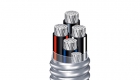
Combination shielded cables combine the benefits of both foil and braided shields to provide enhanced EMI and RFI protection. These cables typically feature a foil shield for high-frequency protection and a braided shield for low-frequency protection. Combination shielded cables are commonly used in high-performance applications where signal integrity is critical, such as in military and aerospace systems.
3. Benefits of Lightweight Shielded Cables
3.1. EMI and RFI Protection
One of the primary benefits of lightweight shielded cables is their ability to protect against electromagnetic and radio frequency interference. The shielding layers in these cables help prevent external interference from affecting the signal quality, ensuring reliable data transmission.
3.2. Lightweight and Flexible
Lightweight shielded cables are designed to be lightweight and flexible, making them easy to install and maneuver in tight spaces. Their flexible construction also reduces the risk of damage and enhances overall durability.
3.3. Control cable
By minimizing interference and noise, lightweight shielded cables help maintain signal integrity over long distances. This is particularly important in high-speed data transmission applications, where even small disruptions can lead to data loss or corruption.
3.4. Versatility
Lightweight shielded cables are available in a variety of configurations and shielding types to suit different applications. Whether you need a foil shield for light protection or a braided shield for heavy-duty applications, there is a lightweight shielded cable type to meet your specific requirements.
4. Applications of Lightweight Shielded Cables
4.1. Aerospace Industry
In the aerospace industry, lightweight shielded cables are used in aircraft wiring systems to ensure reliable communication and data transmission. These cables are essential for avionics systems, radar systems, and in-flight entertainment systems where EMI protection is critical.
4.2. Automotive Industry
The automotive industry relies on lightweight shielded cables for a wide range of applications, including engine control systems, infotainment systems, and safety systems. These cables help ensure uninterrupted communication between various components in modern vehicles, enhancing overall performance and safety.
4.3. Telecommunications
Telecommunications networks depend on lightweight shielded cables to carry voice, data, and video signals over long distances. These cables are used in fiber optic and copper-based communication systems to maintain signal integrity and prevent interference from external sources.
4.4. Data Centers
Data centers use lightweight shielded cables to connect servers, storage devices, and networking equipment within the facility. These cables help maintain high-speed data transmission rates and reduce the risk of data loss due to EMI and RFI interference.
5. Conclusion
In conclusion, lightweight shielded cables play a crucial role in modern technology by providing reliable protection against electromagnetic and radio frequency interference. Their lightweight and flexible design make them ideal for a wide range of applications, from aerospace and automotive industries to telecommunications and data centers. By understanding the different types of lightweight shielded cables available and their benefits, you can choose the right cable type for your specific needs and ensure optimal performance and reliability in your applications.